Wishful Thinking vs The Power of Now
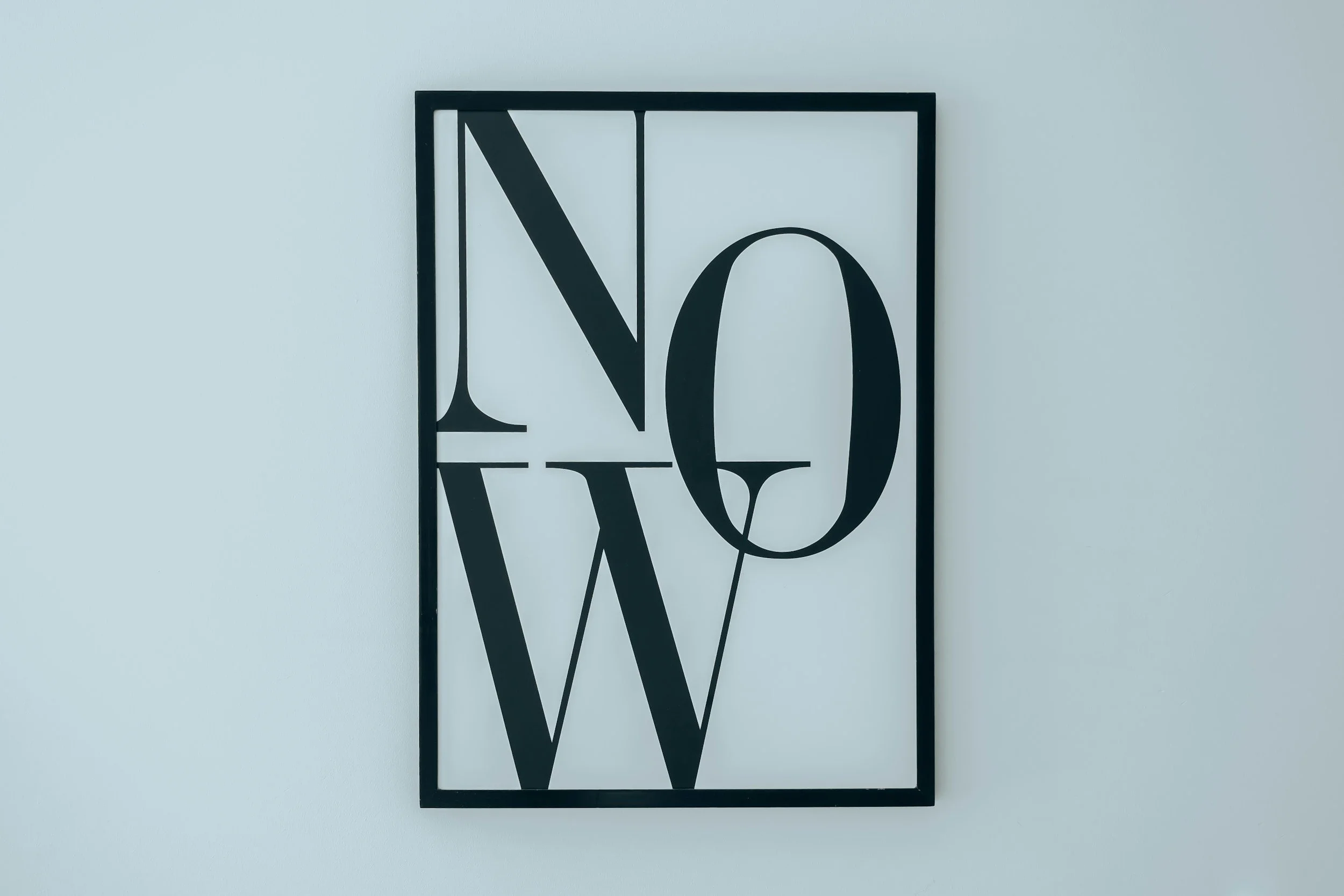
(How "I Wish" Can Keep You Stuck)
Have you ever caught yourself saying things like:
“I wish things were easier.”
“I hope one day it gets better.”
“If only I had more time, energy, clarity…”
It sounds harmless - even hopeful. But let’s look deeper.
The language of wishing and hoping can seem positive on the surface, yet it can quietly reinforce a mindset of passivity. It pushes our desires into the future, away from our control, into some imagined “one day” that never quite arrives.
This is where Eckhart Tolle’s The Power of Now brings in a powerful interruption. Yes, his book continues to affect me, even after so many years since I first read it.
Be Here, Not There
Tolle’s core message?
“Nothing ever happened in the past; it happened in the Now. Nothing will ever happen in the future; it will happen in the Now.”
When we wish, we remove ourselves from the present moment. We mentally jump into a future that hasn’t arrived - or replay a past we can’t change. It keeps us in limbo. And while there's comfort in imagining a better “someday,” it also allows us to bypass the only place where change can occur: here and now.
Wishful Thinking is a Trap
Wishing says, “I want something… but I’m not moving toward it.”
Hope without clarity can do the same - it places the solution outside of us, and outside of time.
This kind of language shapes our identity. If you regularly say, “I wish I had more time,” you’re more likely to experience time as scarce. If you say, “I’m making space for what matters today,” your brain finds alignment between words and action.
Conscious Language: From Passive to Present
Here’s how the shift might look:
Language of Delay Language of Now + Action “I hope things change.” “I’m changing how I approach this today.” “I wish I were more confident.” “I’m showing up despite the discomfort.” “One day I’ll get organised.” “I’m clearing just one drawer right now.”
In The Power of Now, presence is not about ignoring ambition. It’s about returning to the moment long enough to take a real step, however small.
Action Beats Fantasy
We can get addicted to the fantasy of “later.”
Later feels safe.
Later doesn’t require discomfort.
Later doesn’t risk failure.
But later never comes.
The alternative? Notice where you are. Name it. Feel it. Then take a small, conscious step that your future self will thank you for.
So - What Now?
If you notice wishful thinking creeping into your language, gently pause and ask:
Is there one thing I can do in the next 10 minutes that aligns with this desire?
Am I using this phrase as an escape from discomfort or uncertainty?
What would “Now” ask of me?
You don’t need to ditch hope entirely. You need to bring it home, out of fantasy, and into form. Anchor it to now.