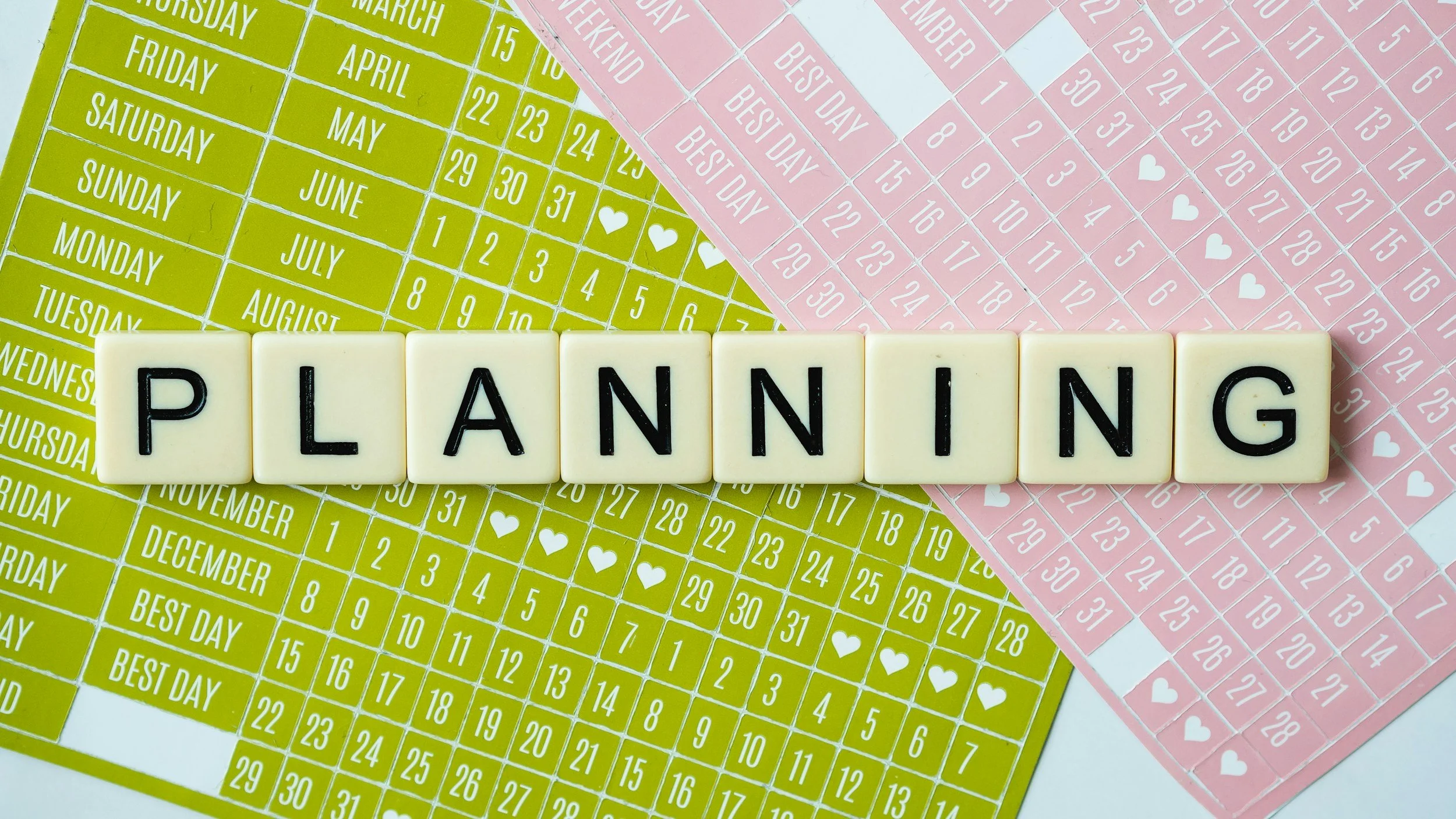
There was a time when I thought freedom meant having wide-open days. No plans. No structure. No commitments. Just the freedom to do whatever I felt like, whenever I felt like it.
Sounds pretty great, right?
Except in reality, those wide-open days often became unfinished tasks, mental clutter and that nagging feeling that I wasn’t actually moving forward. Over time, my perspective changed. I realised something that now feels incredibly obvious: Structure doesn’t restrict freedom. It creates it.
The Myth of “No Structure = Freedom”
It’s easy to think of structure as restrictive. Schedules, routines, systems and to-do lists can feel like they’re taking away our freedom. So we resist them. We tell ourselves:
“I work better when I go with the flow.”
“I don’t want to feel tied to a routine.”
“I’ll do it when I feel motivated.”
The problem is that when everything is optional, everything becomes negotiable. And when everything is negotiable, it’s surprisingly easy to procrastinate. Instead of doing the thing, we spend our time thinking about doing it.
The result? Decision fatigue, mental clutter and that constant feeling of being behind.
Why Structure Works
Structure gives you somewhere to start. Instead of making hundreds of small decisions throughout the day, you create simple systems that guide you.
This is where systems over motivation can make such a difference. Motivation comes and goes. Your energy changes. Life gets busy. But a simple routine or system can keep things moving even when you’re not feeling particularly motivated.
Structure can help you:
Reduce decision fatigue
Make it easier to get started
Stay focused on what matters
Build consistency
Create momentum
And perhaps most importantly, it can free up mental space.
Structure Reduces Mental Load
Think about how much time you spend remembering things.
I need to make that appointment.
I must reply to that email.
I really should clean out that cupboard.
When everything is living in your head, it can feel like you’re carrying around dozens of open tabs. A little structure helps close some of those tabs.
A weekly planning session, a consistent morning routine, a calendar that actually reflects your priorities or a simple task list can give your brain somewhere else to store the information.
You’re not trying to organise every minute. You’re simply creating enough structure to know what needs your attention and when.
Structure Builds Self-Trust
Another benefit often gets overlooked. Every time you follow through on something you planned - even something small - you build trust with yourself. You start to see yourself as someone who:
Shows up
Takes action
Follows through
Does what they said they would do
That matters. Because self-trust makes taking action easier. You don’t need to constantly wait for motivation or put pressure on yourself to get started. You have a system that supports you.
So, What Does Freedom Actually Look Like?
Structure doesn’t mean filling every minute of your day.
It’s about creating intentional anchors that support the life you want.
Maybe that looks like:
A simple morning routine
Dedicated time for focused work
A weekly reset to get organised
These aren’t restrictions.
They’re supports.
And when you account for the important things, you have more freedom to be spontaneous, present, and flexible.
Final Thought
Motivation comes and goes. Energy fluctuates. Life happens. But a good structure can keep you moving forward without needing everything to be perfect.
Structure isn’t the opposite of freedom. It can be the pathway to it. And sometimes, getting organised isn’t about doing more. It’s about creating the space to enjoy more of what matters.