My Thoughts on: The Checklist Manifesto by Atul Gawande
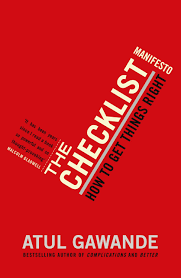
(From someone who has always loved a good list!)
I’ve always been a big believer in lists. Whether it’s a simple to-do on the fridge or a project plan at work, lists have been part of how I function, focus, and feel accomplished. And over the years, I’ve noticed something: I’m not just using them anymore - I’m actually enjoying the process of developing them. It’s a craft. A rhythm. A way to make space in the chaos.
So, when I picked up The Checklist Manifesto by Atul Gawande, it felt like I was reading a love letter to a tool I’ve relied on for most of my life.
About the Book
In The Checklist Manifesto: How to Get Things Right, Gawande - a surgeon and writer - explores the power of checklists across industries like medicine, aviation, construction, and finance. He makes a compelling case that even the most experienced professionals can benefit from something as simple as a well-thought-out list.
This book isn’t just for people who love structure (though we’ll definitely love it). It’s for anyone who wants to stop making avoidable mistakes and start getting the right things done more consistently.
Top 3 Takeaways:
1. Complexity Needs Simplicity
The world isn’t getting any simpler. Even the best professionals can forget basic steps when things get hectic - not due to lack of knowledge, but because we’re all human. A checklist doesn’t replace intelligence or experience; it supports it. It holds space for the essentials, especially when things get overwhelming.
"We don’t like checklists...It somehow feels beneath us to use a checklist - an embarrassment. It runs counter to deeply held beliefs about how the truly great among us - those we aspire to be - handle situations of high stakes and complexity."
This quote hit home for me. It reminded me that using a list doesn’t make me less capable - it makes me more prepared.
2. Checklists Strengthen Teamwork
One of the most unexpected takeaways was how checklists improve communication. A simple item, such as “Introduce yourself,” on a surgical checklist led to better collaboration in the operating room. When people pause and connect, even briefly, performance improves. The list becomes more than a tool - it becomes a shared space for accountability.
3. There’s Power in the Pause
A checklist creates a moment to stop, breathe, and ground yourself before you act. That pause - even if it’s 10 seconds - can be the difference between a mistake and success. And it applies in all areas of life. I’ve found that the more I embrace this in my personal systems, the calmer and more productive I feel.
Favourite Quote:
“Checklists seem able to defend anyone, even the experienced, against failure in many more tasks than we realized.”
This perfectly sums it up. Even the most capable among us can benefit from the grounding force of a well-made checklist.
Final Thoughts
Reading this book validated something I’ve known deep down all along - lists are not just helpful, they are powerful. These days, I find myself refining my own systems more than ever. What used to be just a productivity tool has evolved into something I genuinely enjoy. A great list helps me feel clear, focused, and intentional - and The Checklist Manifesto reminded me why.
If you’re someone who’s juggling a lot, managing others, or just trying to get through your week with a little less chaos - this book is for you.